
A Discovery at Every Corner: Studying Art in San Miguel - with Artist Alan Pfeiffer
From Pfeiffer's roots in San Miguel, to producing work across the Americas. Written by Alexandra Rauscher.
MONOCLE
4/12/20263 min read
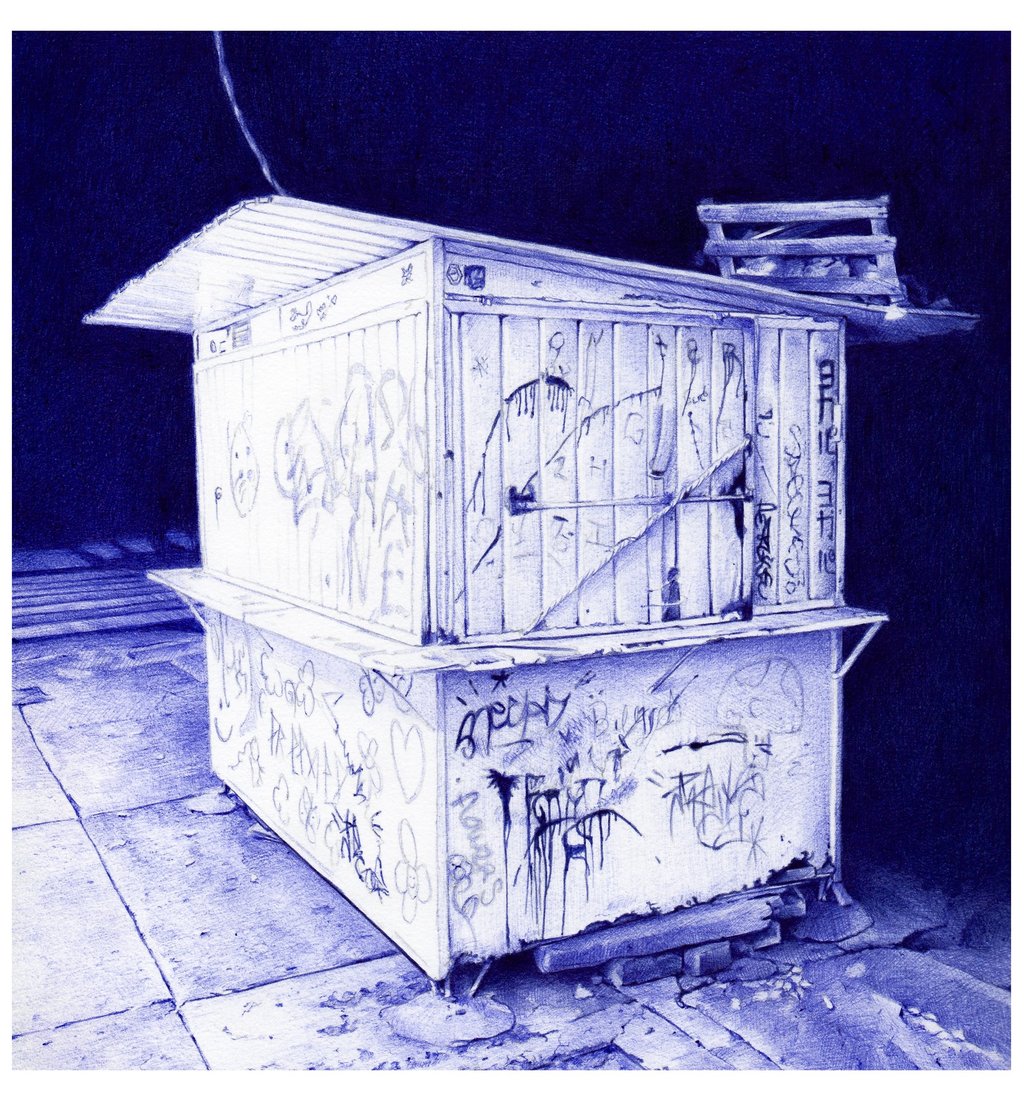
"I have a memory of being in the San Miguel library, looking at a book about the most iconic photos from Time magazine. There was a very old man next to me, pointing to a photo of the fall of Saigon in 1975. He told me: ‘I was there that day’. Those kinds of things happened in San Miguel all the time — you'd interact with people with incredible stories", recalls Alan Pfeiffer, multidisciplinary artist based in Tequisquiapan, Querétaro.
Pfeiffer had grown up about two hours from San Miguel de Allende, and was on vacation in the city when he wandered into the art school “Instituto Allende” almost by chance. By the end of that same day, he had sat his entrance exam - and enrolled shortly after. The year was 2005.
Art had been all Pfeiffer wanted to do since childhood: "I almost always carried notebooks or something to draw in. I have oil paintings from when I was eight years old and I loved making comics too — all that world of a child's imagination, put on paper." San Miguel, it turned out, was the place where that world would take on a more serious shape.
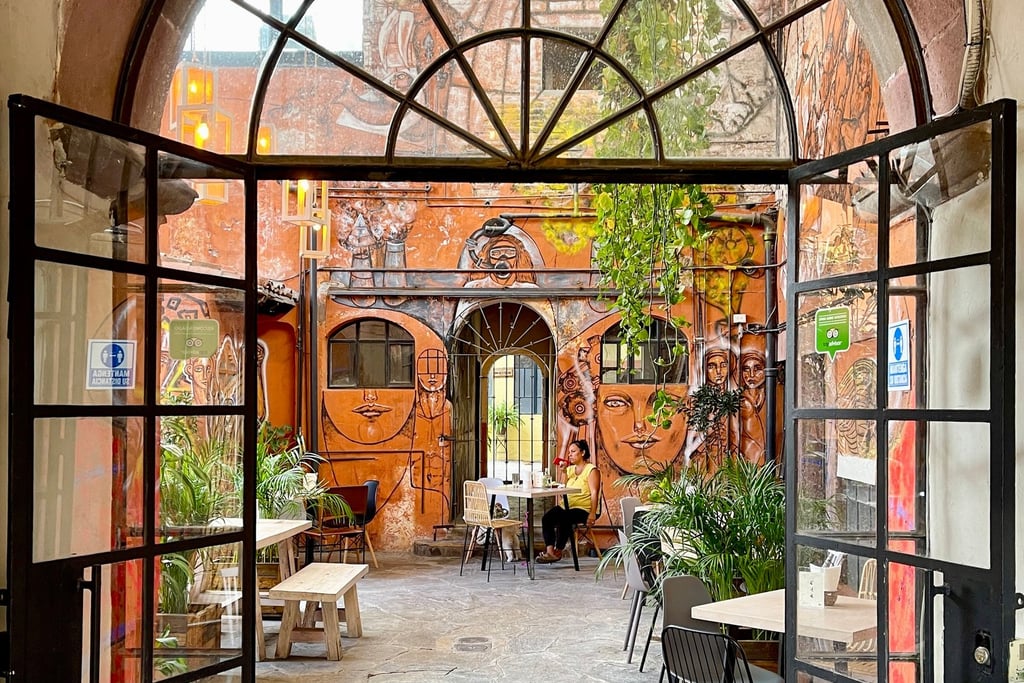
Patio of Instituto Allende in San Miguel
The Instituto offered a demanding, traditional arts education — one that pushed students to professionalize their techniques and expand their materials. The teachers' expectations were clear: "Learn what we can teach you, and afterwards you do whatever you want." It was an approach that Pfeiffer, drawn at the time to more contemporary forms such as video art and installation, came to appreciate: "Back then I had a lot of restlessness, a lot of need to breathe and do things. Sometimes I understood only afterwards why completing one certain painting was important. Going through that process helped me a lot."
With only eight students in his cohort, classes were very personal. All of the teachers were practicing artists themselves - among them David Leonardo Chávez, Margarita Orozco Ramírez and David Kestenbaum. "They knew what you did, they knew what you wanted," Pfeiffer says. "And they all lived from their art in San Miguel."
Pfeiffer’s teachers have shaped San Miguel’s artistic community up until today — each with their own craft, their own way of making art a life. Entering the Instituto Allende, visitors are greeted by Chávez’ large, colorful murals. Ramírez runs a studio in the city, where she makes paper from local flora and found objects. And the work of Kestenbaum — a sculptor from a family of artists, who died in 2013 — lives on across San Miguel, most visibly in the metal bull that stands at the entrance of the Centro Cultural Ignacio Ramírez El Nigromante.
The diversity of these artists was reflected in the curriculum and the grounds of Instituto Allende, inviting students to experiment. Gardens, workshops, and studios were open outside of class hours. "During breaks you could go to the sculpture studio, do printmaking or photography”, Pfeiffer recalls. And unlike art schools in larger cities, where the energy of the metropolis pulls you away the moment you step off campus, in San Miguel, there was no such divide. Classmates and teachers crossed paths after hours, and the creative soul of the place was tangible wherever you went.
Drawing from Pfeiffer's "Blue Economics" series. Pen on paper, 2024-2025
"San Miguel allows you to find your own path," Pfeiffer says. His path, after graduating from the Instituto Allende in 2009, saw him transition into being a full-time artist, work taking him from expeditions along the Atlantic and the Usumacinta River to exhibition spaces in Scotland, Uruguay and Mexico.
No matter where in the world Pfeiffer goes, the city of his studies shapes him as an artist - and has never let him go. San Miguel, as Pfeiffer remembers it, has a way of slipping the unexpected into the ordinary: a conversation in a cantina; a painting glimpsed through a gallery door; a stranger with a story he would never forget. The most memorable encounters, he finds, unfold before you - if you move through the world with open eyes.
Contact
Questions or tips? Reach out anytime.
info@artinsanmiguel.com
© 2026. All rights reserved.
Join Art in San Miguel
Stay close to the scene - get fresh stories and event updates.