
Telling the Story of Who We Are As a People
The Restoration Work of Citlalli Martínez. Written by Jonathan Bonfiglio.
MONOCLE
4/8/20263 min read
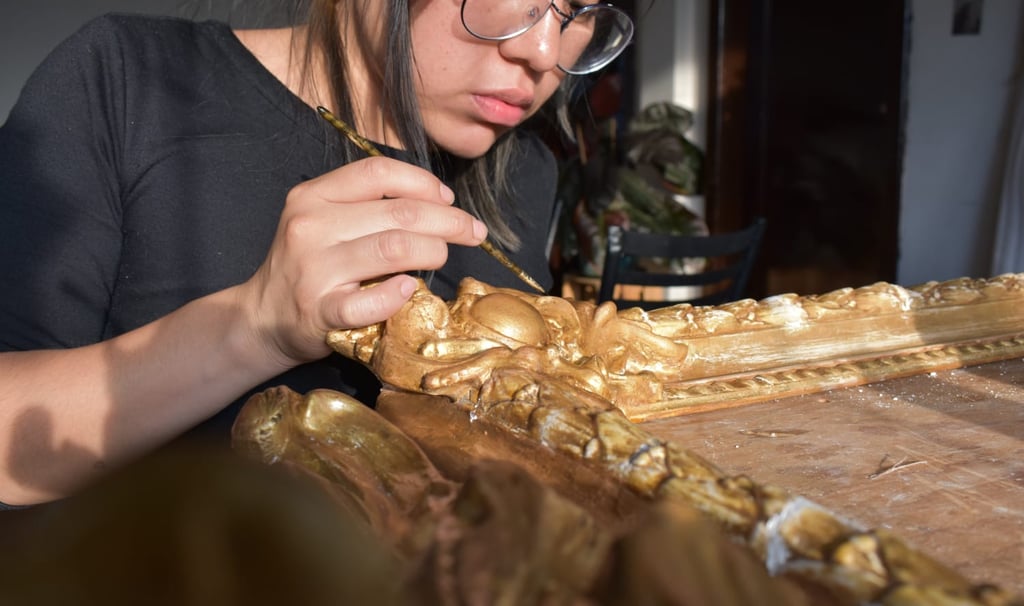
Citlalli Martínez working on one of her patients
Citlalli Martínez first found fascination in the possibilities of restoration with a small Jesus figurine, the Niño Paz, in Guadalajara. In part it was because of the great value that people ascribed to this inanimate object, which didn’t even belong to them, but it was also because it was not a fixed object: in order to keep the child warm, people would take it clothes to change into, and wear, and even shoes, given that the belief was that the child would go on walks at night. They were treating it, in short, as a living child, not a statue.
Martínez didn’t share the beliefs, at least not in the same religious way, but she understood the cultural relevance of the Niño Paz, and recognized both its importance and the duty of care which was innate to its ongoing existence — both in a real, physical sense, as well as in public consciousness.
Citlalli Martínez is a professional restorer. She studied at the Escuela de Conservación y Restauración del Occidente (the Western School of Conversation and Restoration) in Guadalajara, before going on to work at a variety of national institutions. Now, however, Martínez now works in a personal, freelance capacity. People approach her with objects of importance, and ask her to engage with a piece. Many objects are simply beyond repair, but in a way that doesn’t matter, because what marks out Martinez is how she engages with the emotional essence of an object (its presence as a totem in their lives), rather than its perceived fixed, physical attributes. Listening to her speak, there is almost a sense of listening to a clairvoyant. “I spend time with the object, and I ask its permission. I regard an object more as a patient than a thing, and each object has its character. Of course the work is analytical, but having strong restoration skills isn’t enough. You need to understand what it is that you are working with.”
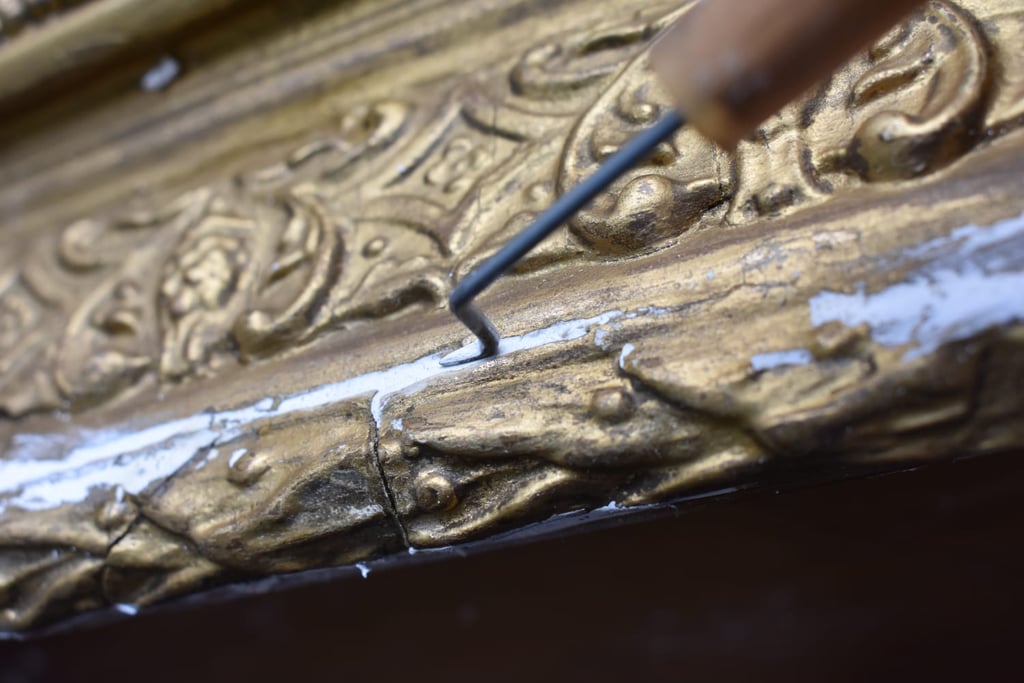
Restauration in progress
The history of restoration in Mexico goes back to the late nineteenth-century as a number of monuments were identified for protection within a national framework, but the work at the time was patchy and uncoordinated. A big step forward occurred with the National Institute of Anthropology and History (INAH) in 1939, but a critical shift towards highly developed, scientifically grounded, cautious restoration did not develop until the 1960s.
Many of these techniques are employed by Martínez today, from initial photographic and deterioration documentation, to an assessment of loss of color, using infra-red light to see lost markings, microscopes to gauge the framework of what has been lost, and so on. One of the main challenges, says Martínez, “is to limit the restoration,” because otherwise they could go on forever; to agree and define with the client what the level of intervention will be.”
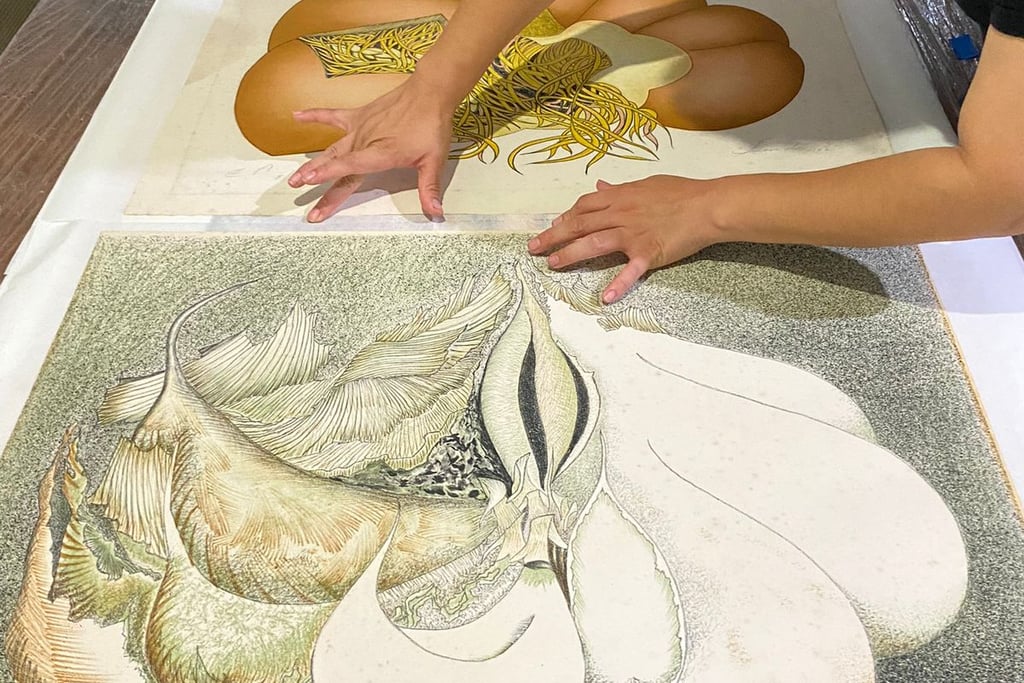
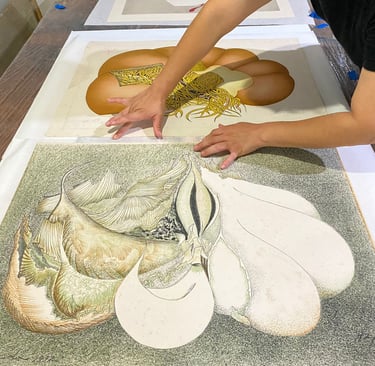
Each object has its own unique character
Martínez has worked on all manner of pieces over the years, from Mayan pieces found during the construction of the Tren Maya in the Yucatan Peninsula, to twentieth century artworks, to particular unique objects. Part of her move into freelance work has been because of ongoing cutbacks and uncertainty about restoration bodies. “It’s a difficult time,” she says, “with all governments drawing back funding on restoration. It’s a short-termist view, in my mind, because these objects not only have financial value, but also tell the story of who we are as a people. How can you put a value on that?”
To contact Citlalli Martínez about restorations, write an email to aeternum.restauracion@gmail.com
Her work is available to view on instagram at aeternum_restauracion
Contact
Questions or tips? Reach out anytime.
info@artinsanmiguel.com
© 2026. All rights reserved.
Join Art in San Miguel
Stay close to the scene - get fresh stories and event updates.